The birth of the DS
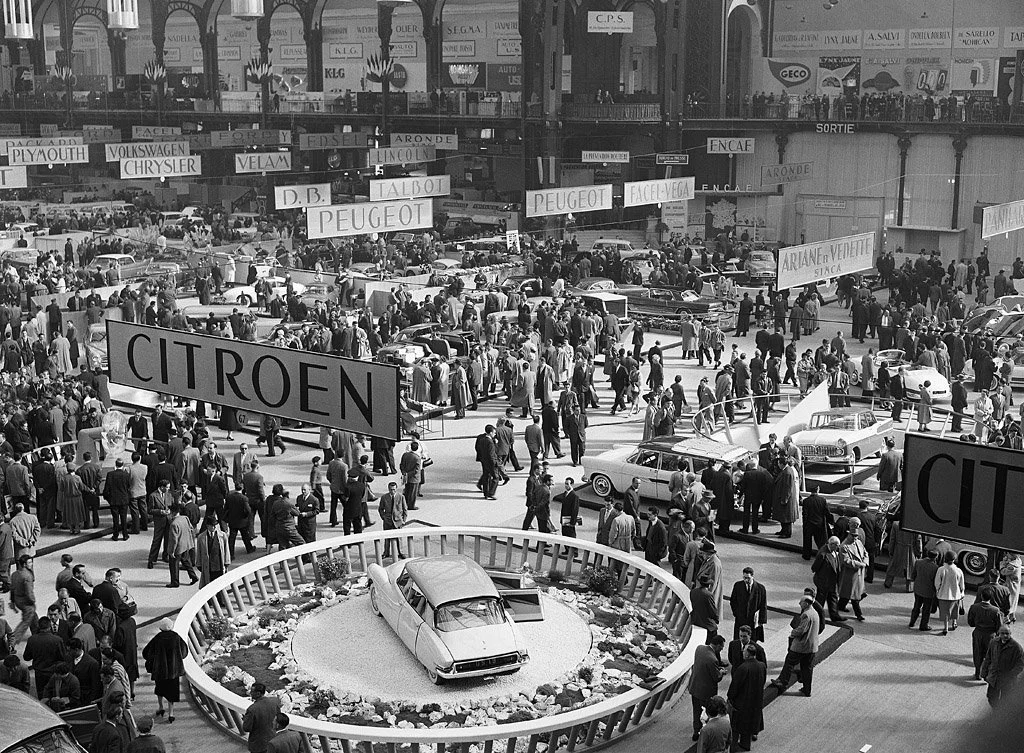
1955 Paris Motor Show
By the 1950s, Citroën needed a car that would appeal across the French market and elevate the brand internationally. The DS was that car: radical, aerodynamic, and engineered to handle the rough post-war roads of France. Engineers Lefèbvre and Boulanger had already explored torsion-type suspension with the 2CV, providing valuable lessons for the DS’s groundbreaking hydro-pneumatic system.
Contrary to popular belief, the name “DS” did not primarily mean Déesse (Goddess). “D” came from the inherited Traction Avant 11D engine type, and “S” referred to the hemispherical cylinder head (culasse spéciale). The number - 19, 20, 21 or 23 -denoted engine capacity in litres, rounded down. Yet, in practice, the DS truly was a “design special,” a car so advanced that its presence exceeded immediate comprehension.
At the 1955 Paris Motor Show, the DS created near hysteria. Visitors jostled to see it, and over 12,000 orders were taken on the opening day, even though production could deliver fewer than 100 cars per month. By 1956, Citroën produced 98,068 DSs, and the model would eventually surpass 1.3 million units sold. It had arrived like a “spaceship,” redefining car design while planting seeds for long-term influence on automotive engineering worldwide.
-
![Vertical DS 1963 Amsterdam Auto Show]()
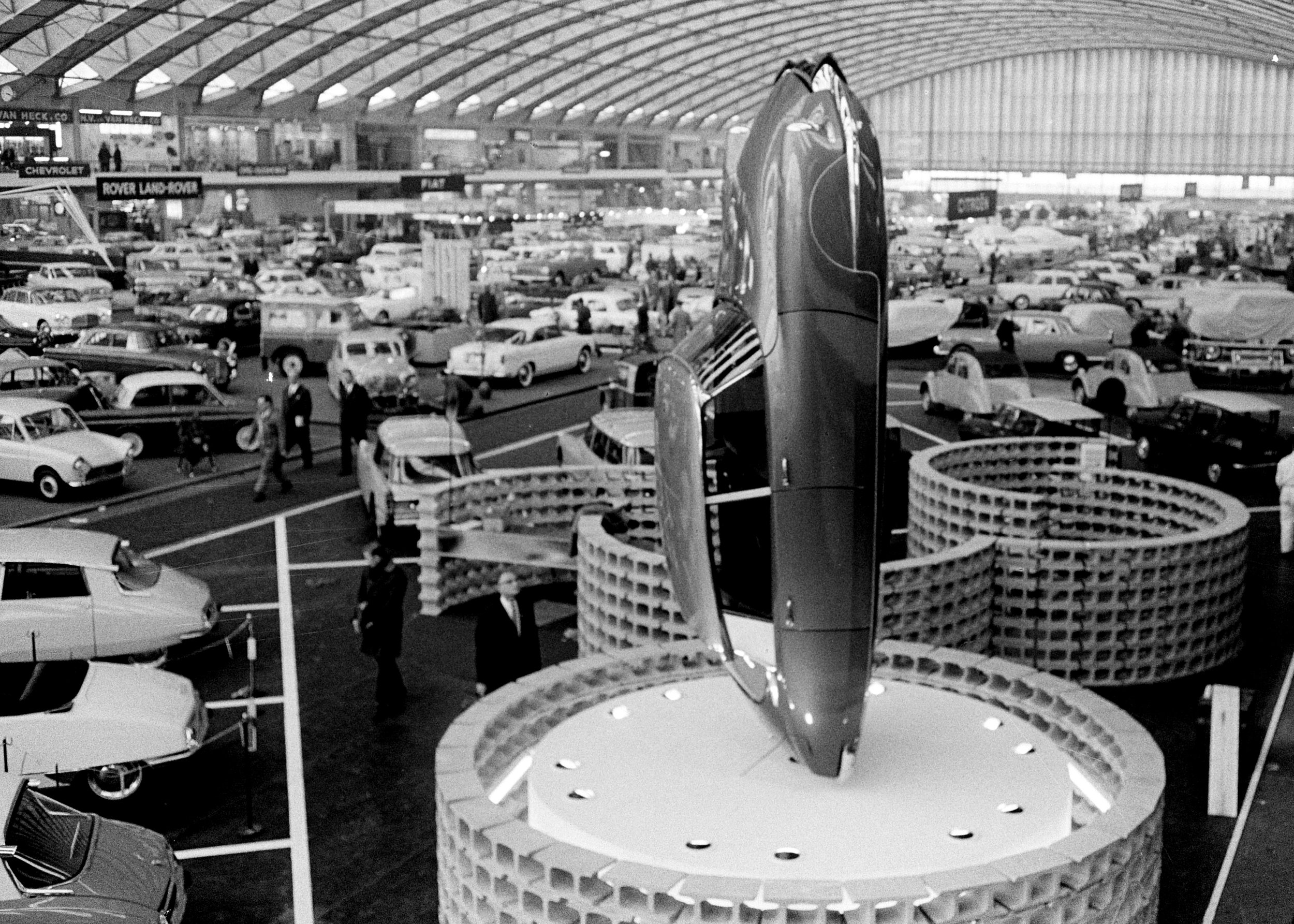
01 Vertical DS 1963 Amsterdam Auto Show
-
![Charles De Gaulle 1963]()
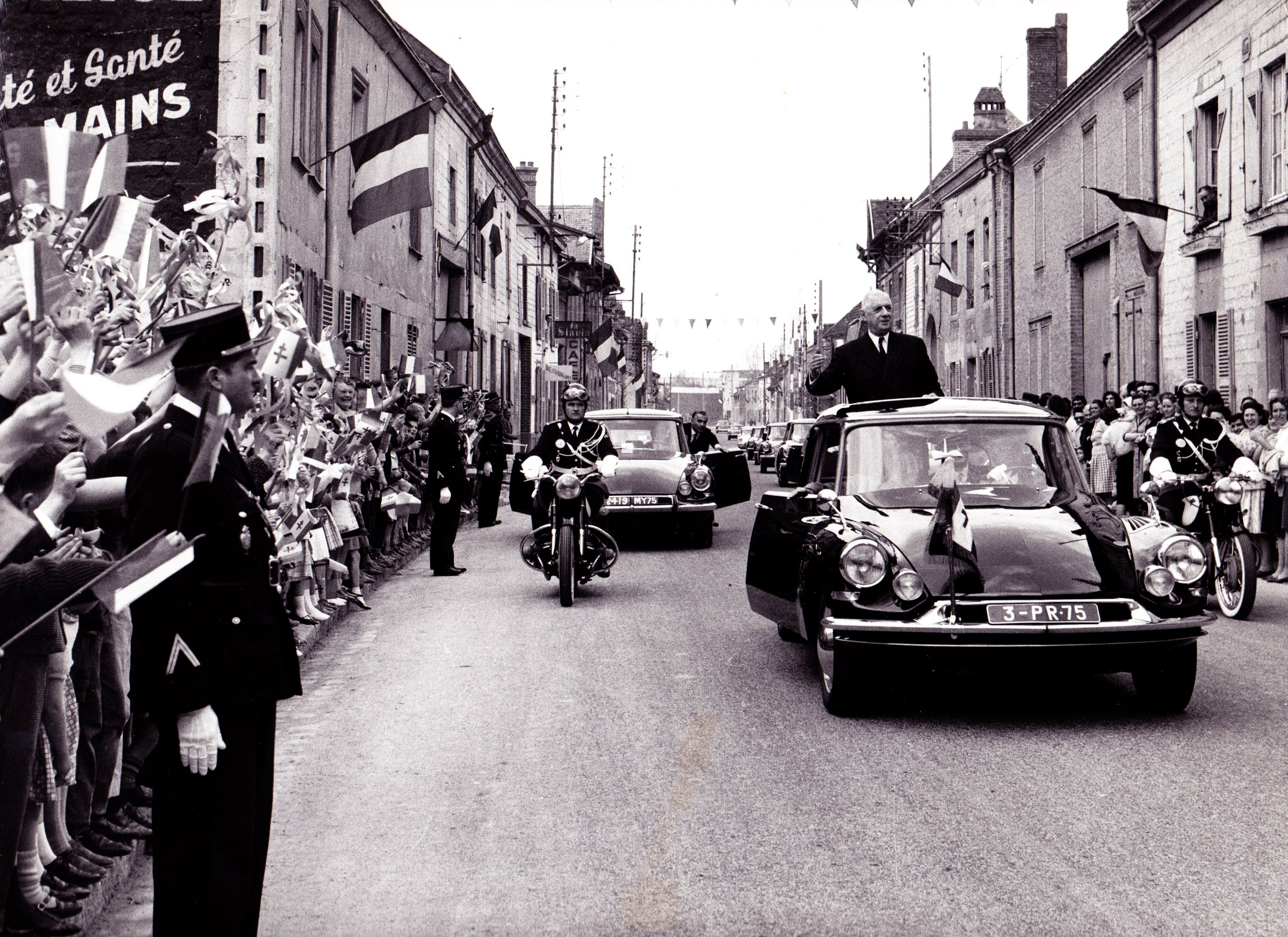
02 Charles De Gaulle 1963
-
![1950's Citroen DS Advertisement]()
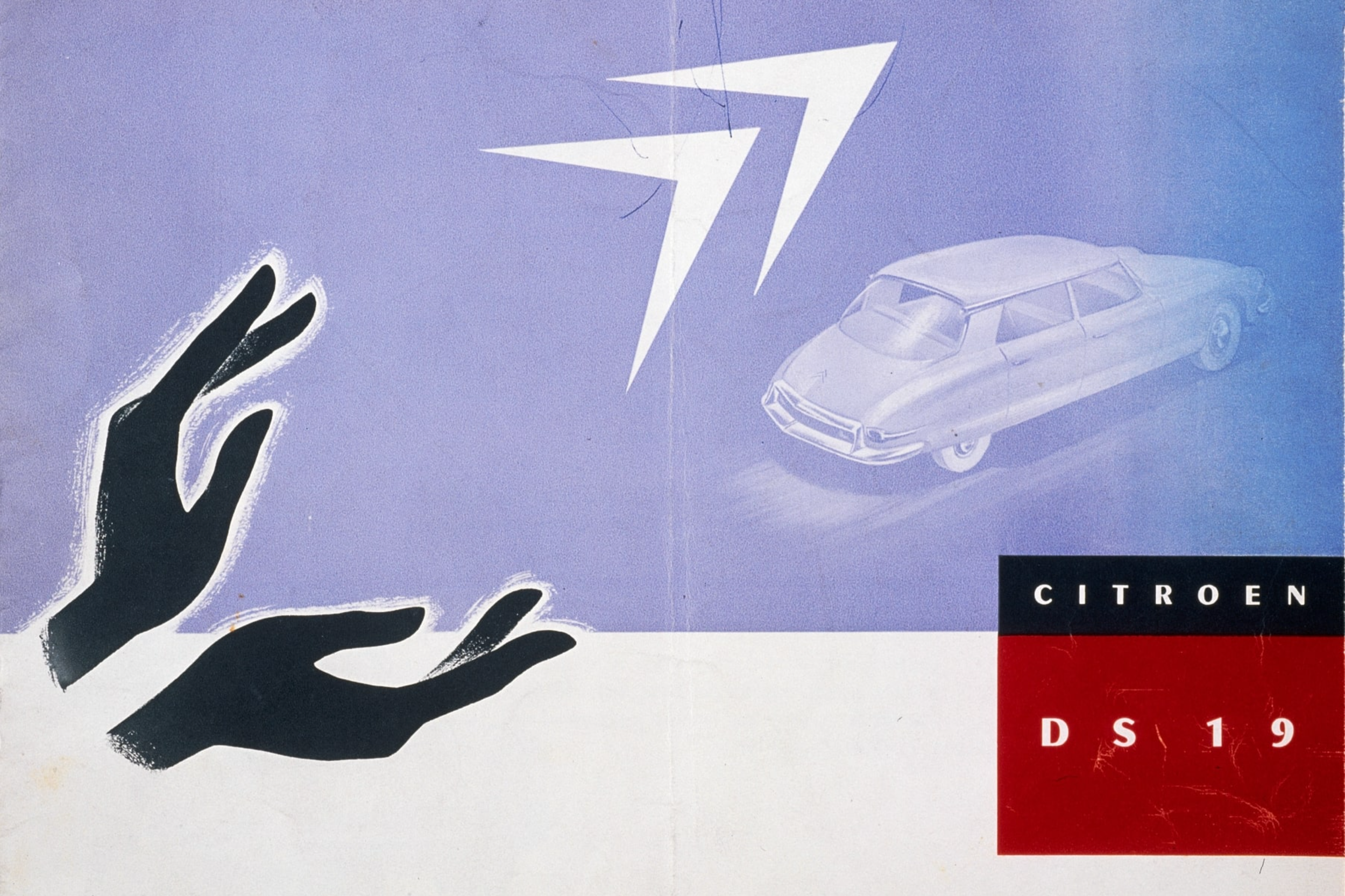
03 1950's Citroen DS Advertisement