Early Citroën Innovations
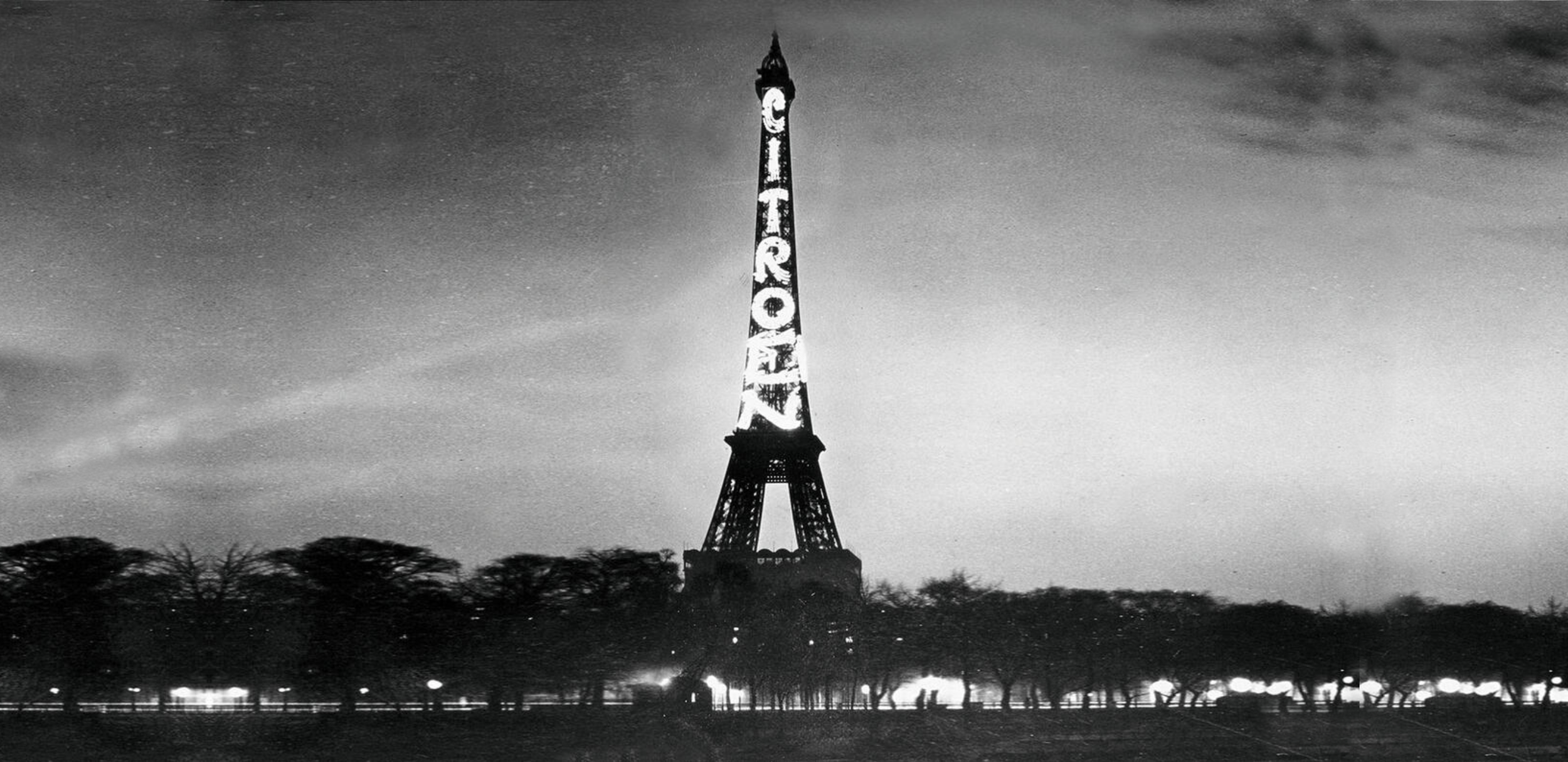
Paris - The Eiffel Tower displays a Citroen advertisement on three of it’s flanks.
Illuminated July 4, 1925, for the International Exhibition of Decorative Arts and remained a fixture of the Paris skyline for nine years.
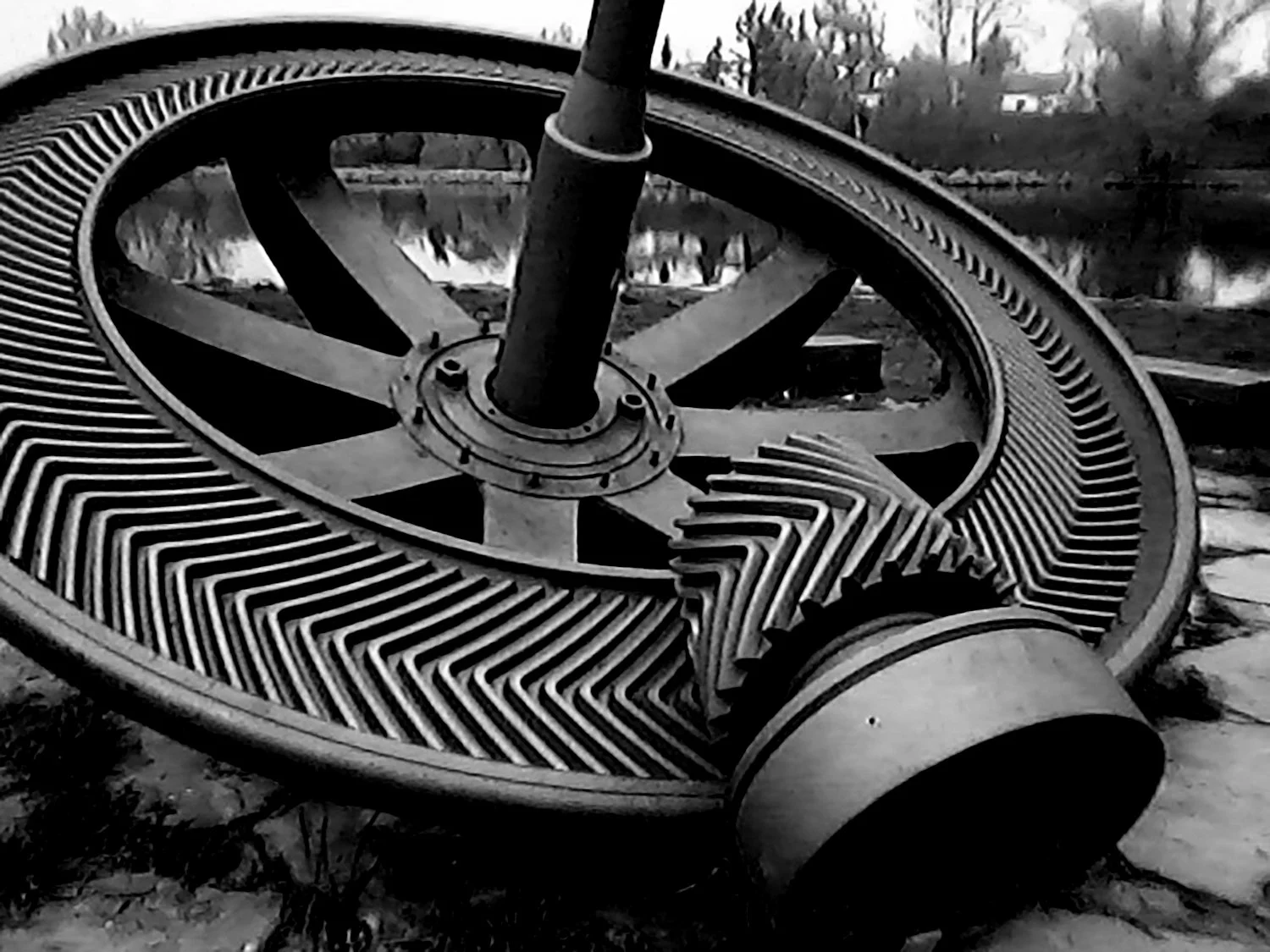
André Citroën was the visionary behind this legacy. A trained engineer, he had already revolutionised European mass production after meeting Henry Ford in 1912, yet he never copied Ford’s outdated designs. His early work resumé included the Mors Car Company, Le Zèbre, and his own engineering business, where he produced cogs and bezels—the double chevron symbol of the Citroën brand.
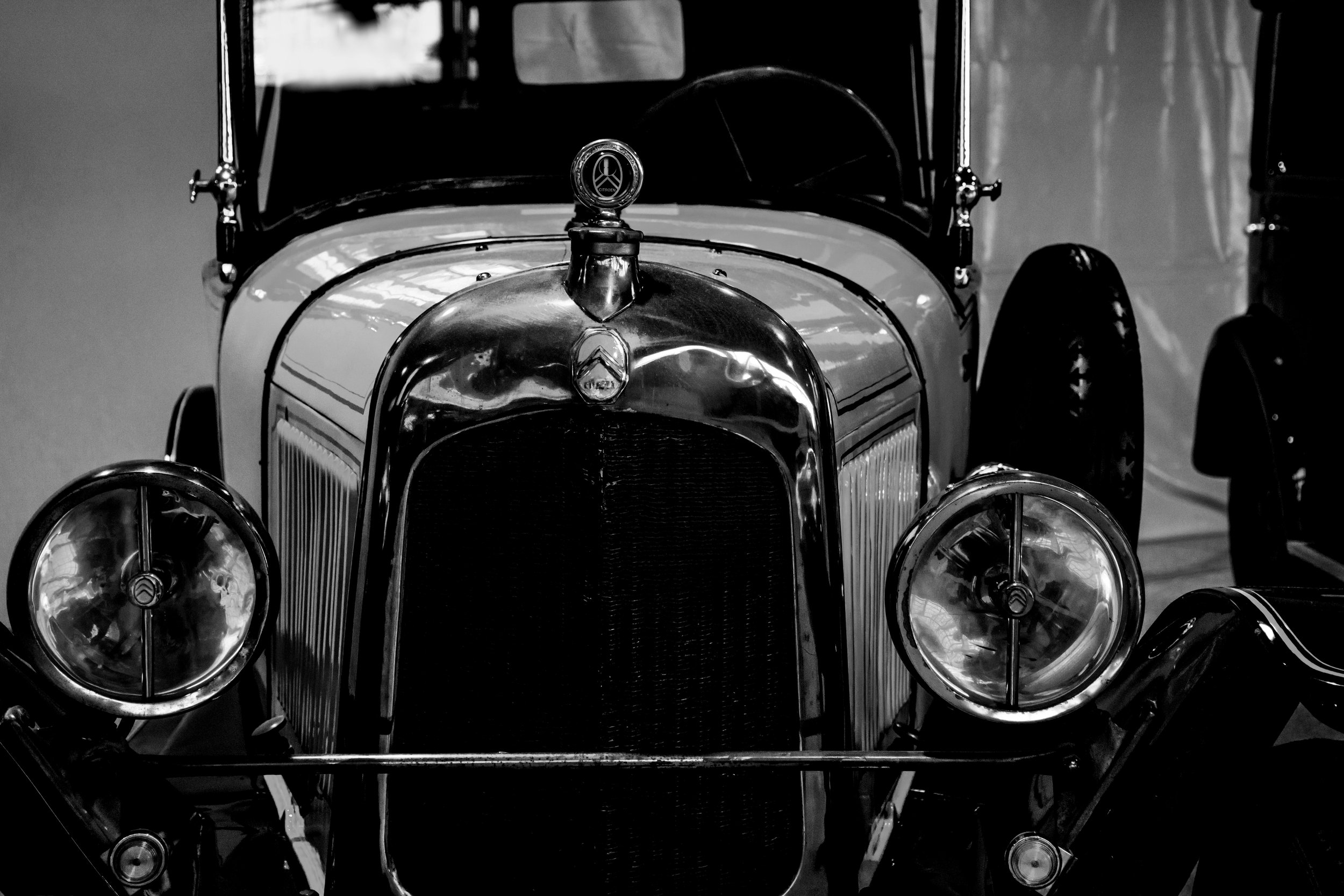
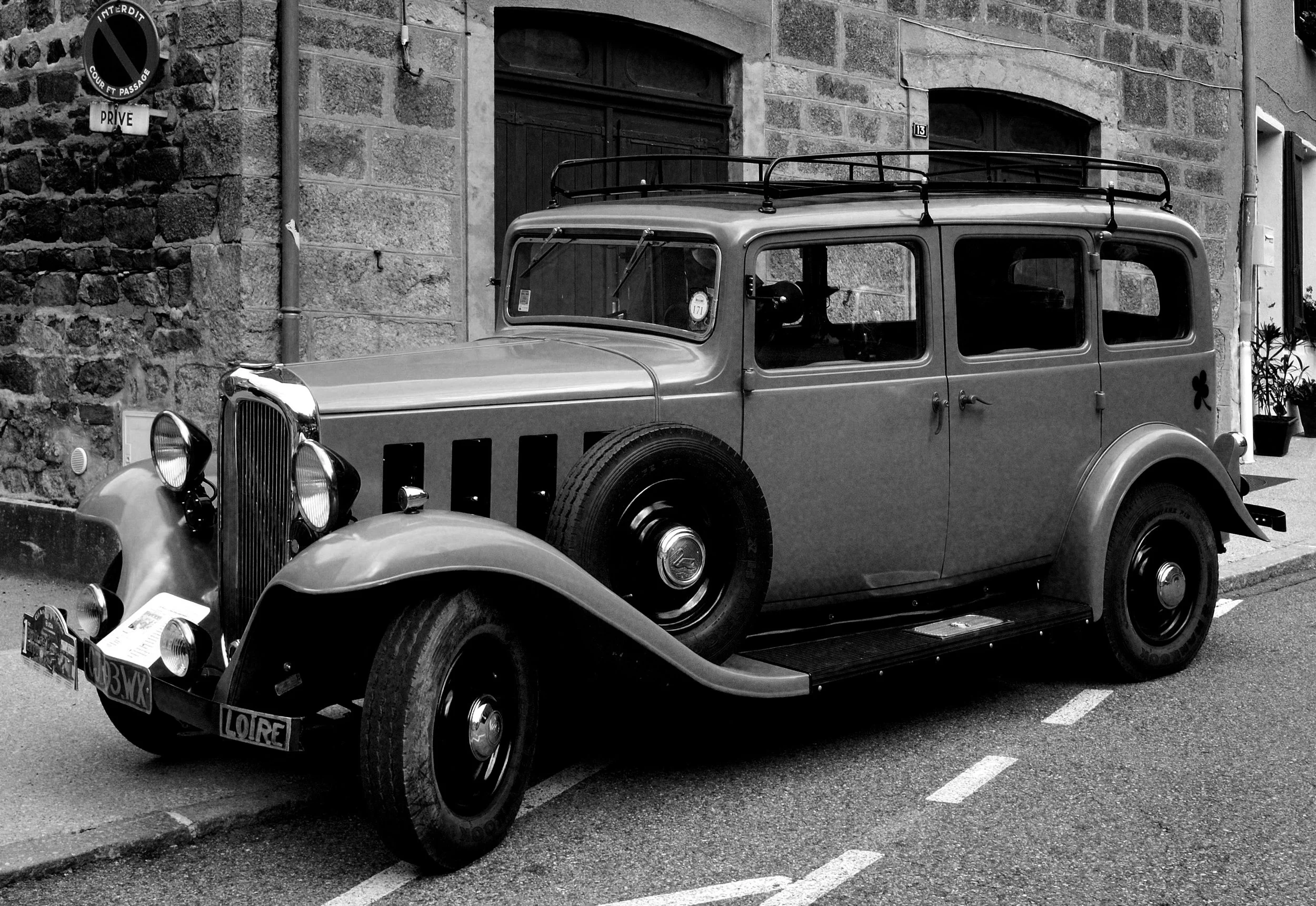
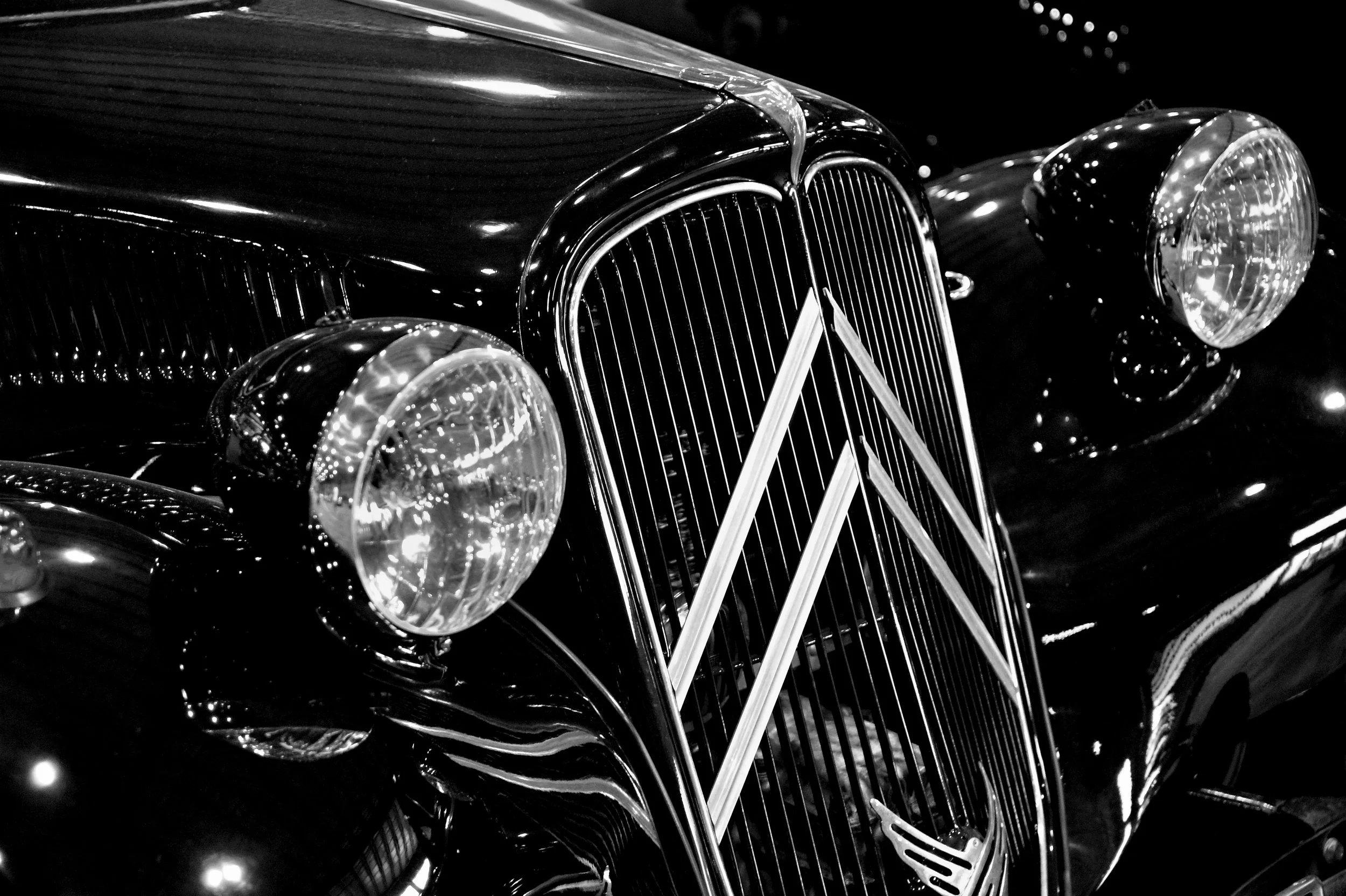
In 1921, Citroën’s first factory at Levallois began producing the Type A, a small, affordable car with features that were remarkable for the era: an electric self-starter, full lighting, and proper steel wheels. Over the 1920s, Citroën introduced the Type B and Type C, building a team of top engineers and designers, including Guillot, Joufret, Dufresne, and Broglie. The B2 became Citroën’s first all-steel-bodied car, a stepping stone to the revolutionary Traction Avant. Meanwhile, larger models like the Rosalie explored luxury, engine capacity, and even streamlined body experiments.
By the 1930s, Citroën’s Bureau d’Études in Paris was a crucible for innovation, producing both the Traction Avant and, later, the DS and 2CV - cars that embodied aerodynamic thinking, advanced materials, and sophisticated engineering.
-
![Double helical bevel gears]()
01 Double helical bevel gears
-
![Citroen Type A]()
02 Citroen Type A
-
![Citroen Rosalie]()
03 Citroen Rosalie
-
![Citroen Traction Avant]()
04 Citroen Traction Avant