Defining the Citroën DS and ID (1955–1975)
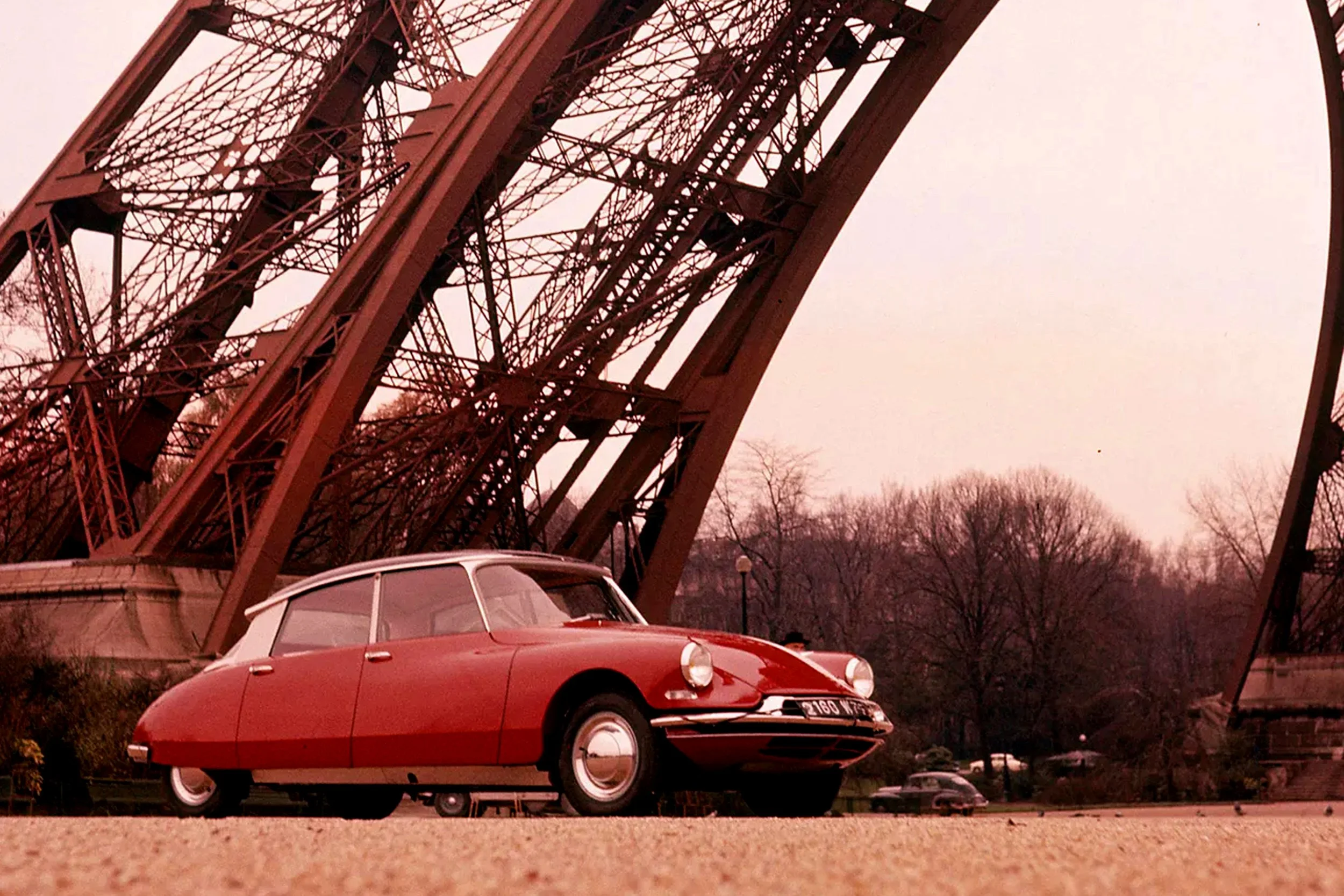
Paris - 1955 the DS 19 is launched.
Paris - 1975 the last DS leaves the production line.
When the Citroën DS appeared at the Paris Motor Show in October 1955, it did not merely introduce a new model range; it created an entirely new category of car. Over the next twenty years, the DS and its closely related sibling, the ID, would evolve in detail but never in intent. Together they formed one of the most ambitious and long-lived experiments in automotive design ever attempted by a major manufacturer.
The Original DS (1955)
The DS 19 was launched as Citroën’s new flagship: a large, aerodynamic, front-wheel-drive saloon unlike anything else on the road. Its appearance alone marked a rupture with convention - long, low, smooth and organic at a time when most cars were upright and angular. But the DS’s real revolution lay beneath the surface.
At its heart was the hydro-pneumatic system: an engine-driven hydraulic pump supplying pressurised fluid to the suspension, brakes, power steering and semi-automatic gearbox. The suspension eliminated steel springs entirely, replacing them with gas-filled spheres that delivered a level ride regardless of load or road condition. The DS maintained a constant ride height, could be raised for rough terrain or wheel changes, and remained drivable even with a punctured tyre. No other mass-produced car had ever attempted such integration of systems.
The original DS was technologically audacious but also complex and expensive to build. It was aimed squarely at the upper end of the market - professionals, intellectuals, senior civil servants and those drawn to advanced engineering rather than ostentation.
The ID: A Parallel Philosophy (1957)
In 1957, Citroën introduced the ID, a simplified and more affordable companion model. Visually almost identical to the DS, the ID was conceived to broaden the appeal of the new platform without diluting its core principles.
The ID retained the hydro-pneumatic suspension but dispensed with some of the more intricate hydraulic features. ID models used a conventional clutch and manual gearbox, simpler braking systems, less interior trim, and fewer power-assisted controls. This made the car cheaper, more robust, and easier to service - particularly important in rural France and export markets.
Over time, the distinction between DS and ID narrowed. As production matured, many hydraulic features filtered down into the ID range, while the DS itself became more refined and reliable. Rather than two separate cars, DS and ID became two expressions of the same idea: one maximalist, the other pragmatic.
Evolution Through the 1960s
Throughout the 1960s, the DS and ID evolved steadily rather than dramatically. Engines grew from the original 1.9 litres to 2.0, 2.1 and eventually 2.3 litres. Power increased modestly, but performance was never the primary goal. Stability, comfort and long-distance capability remained paramount.
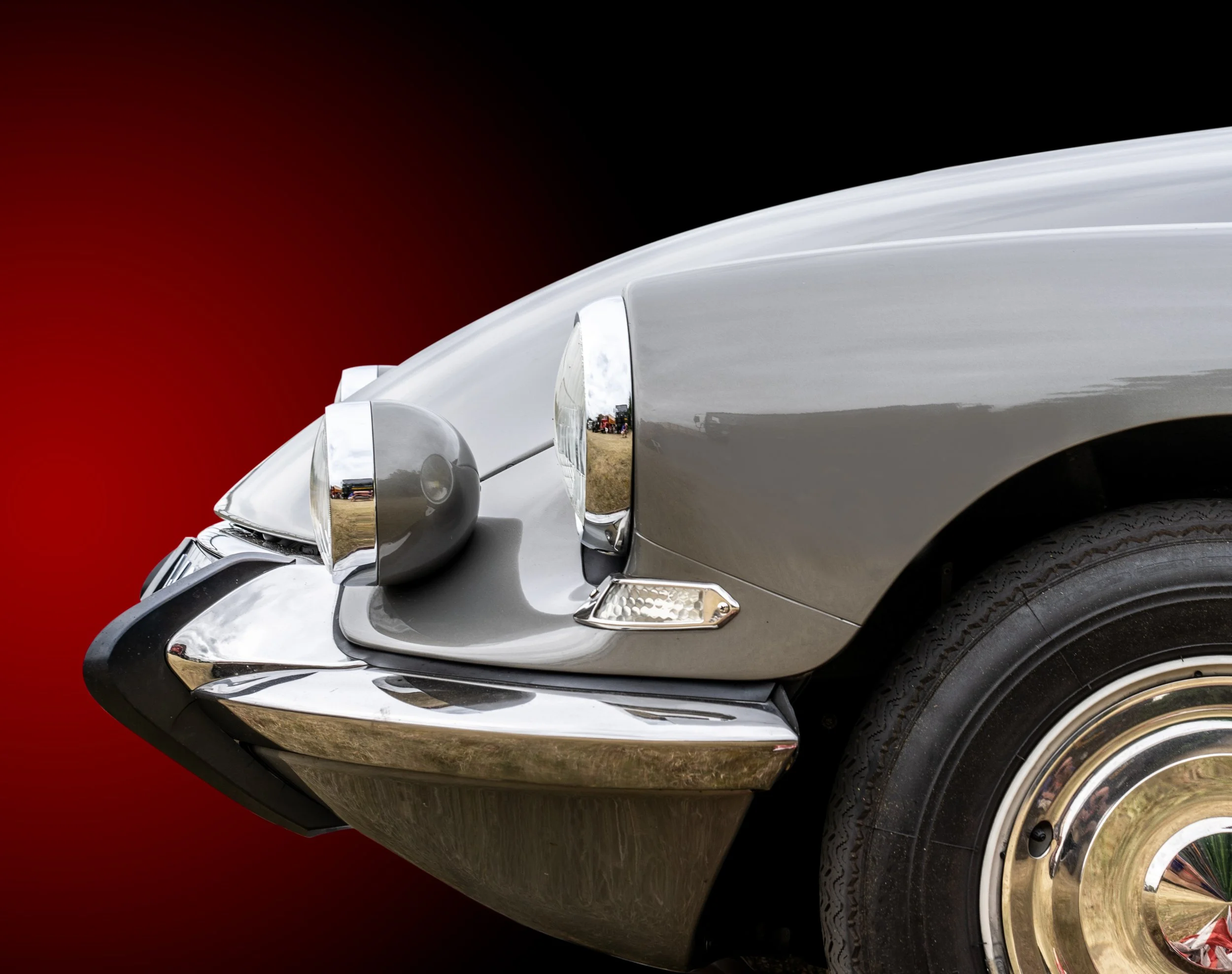
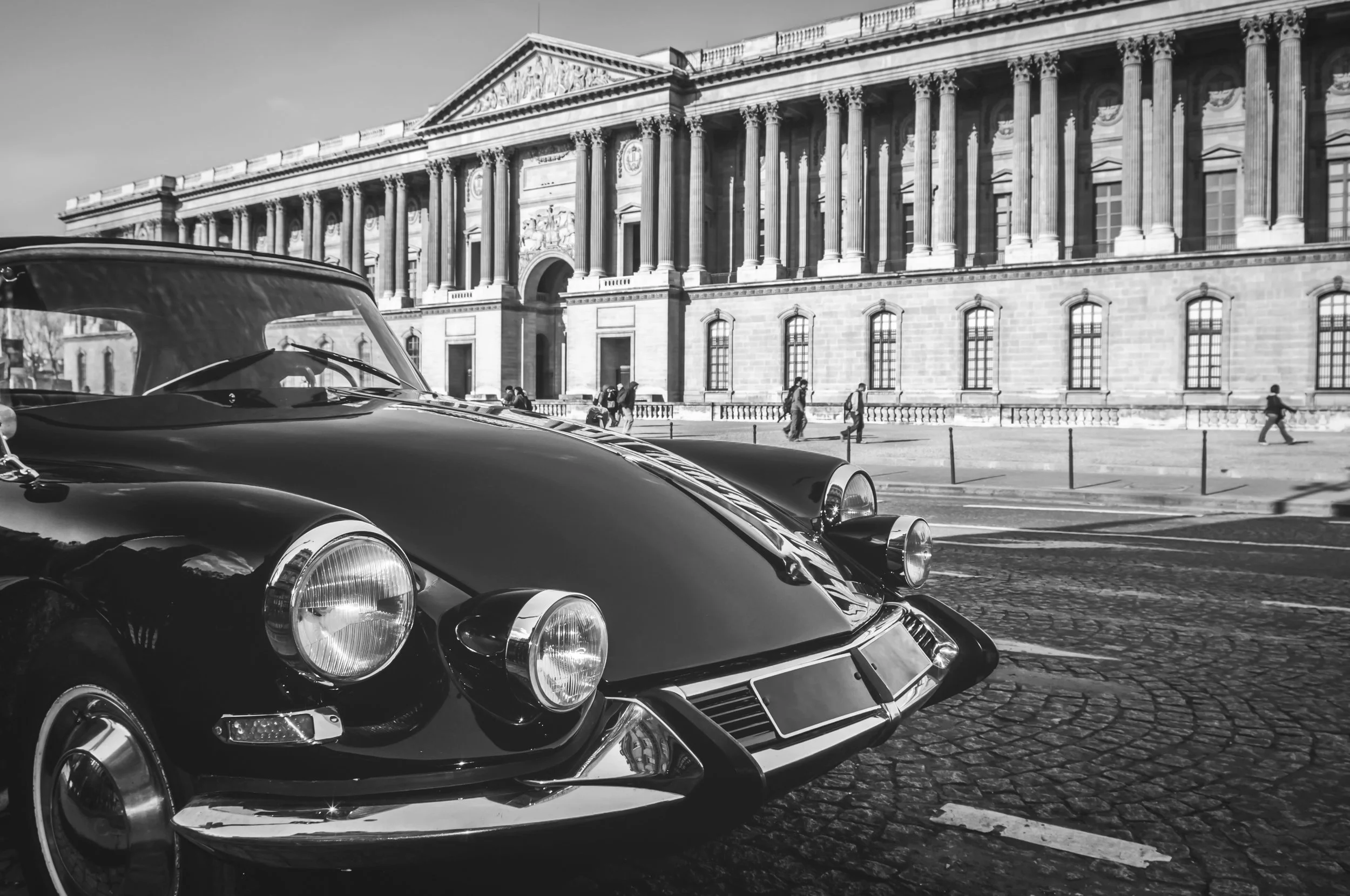
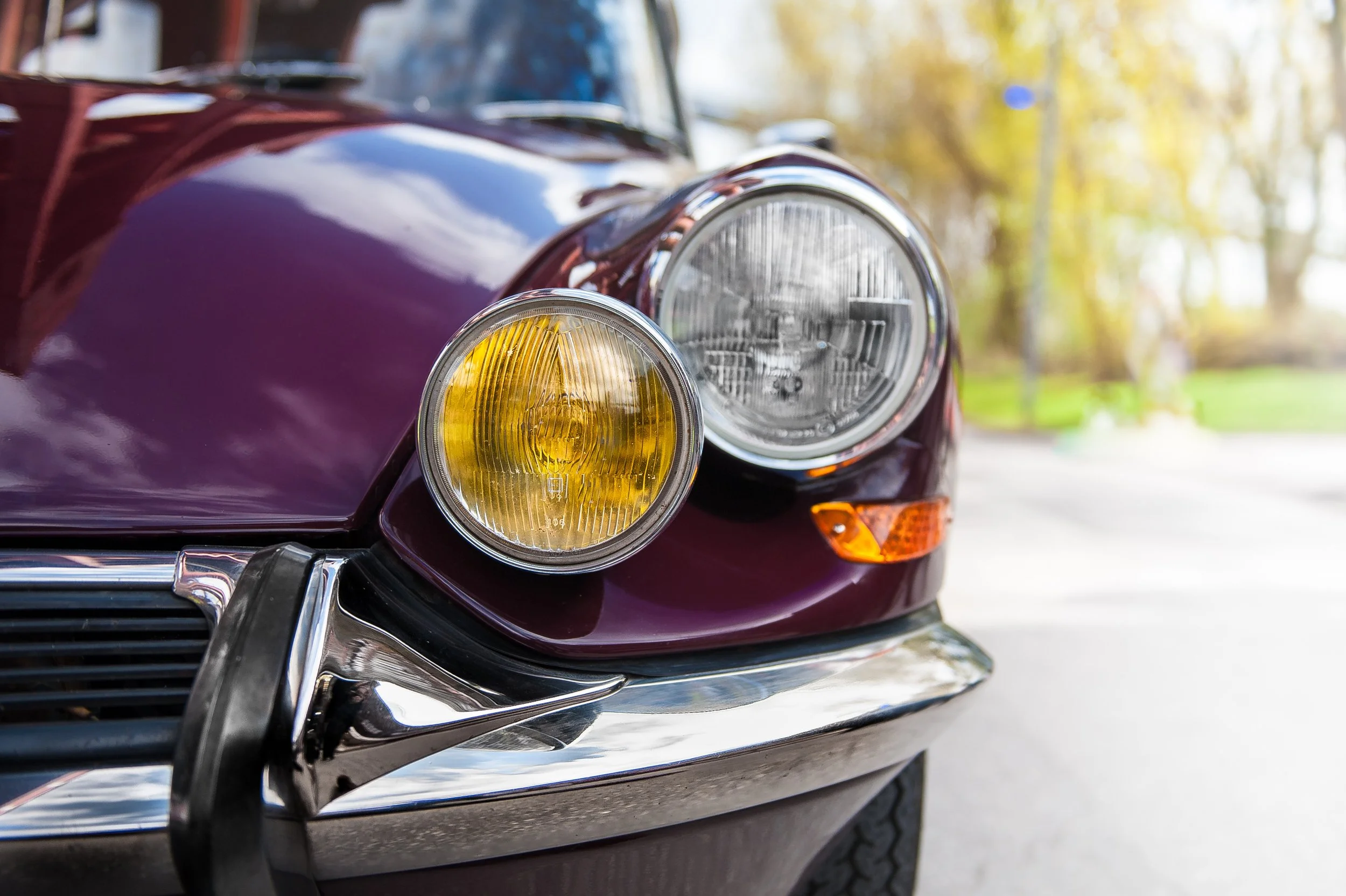
In 1967 came the most visible update: the restyled front end with faired-in headlamps, often referred to as the “cats-eye” design. Beyond its striking appearance, this change improved aerodynamics and lighting performance. On higher-specification DS models, the inner headlights pivoted with the steering, a feature unmatched by most competitors for decades.
Inside, materials and trim improved, dashboards were revised, and seating became even more generous. The estate (Break and Familiale) versions extended the DS concept into commercial, ambulance and family use, proving the versatility of the platform.
The DS as a system, not a car
What truly defined the DS and ID was not any single feature, but the way all systems worked together. The suspension influenced braking behaviour; braking loads affected ride height; steering effort varied with speed and pressure. This was systems engineering decades before the term became fashionable in the automotive world.
The cars were engineered for real-world conditions: poor roads, long distances, heavy loads and sustained high-speed travel. In this sense, the DS was a true grande routière—a long-distance machine built for endurance rather than display.
The Final Years (1970–1975)
By the early 1970s, the DS faced an automotive world that had slowly begun to absorb its lessons. Aerodynamics, front-wheel drive, disc brakes and improved suspension design were no longer radical ideas. Yet few cars matched the DS for integration or ride quality.
The final DS models gained fuel injection, optional air conditioning and further refinements, but the fundamental architecture remained intact. When production ended in 1975, the DS had been in continuous manufacture for twenty years—a remarkable achievement for such an unconventional design.
In total, around 1.45 million DS and ID models were produced.
A Lasting Definition
The Citroën DS and ID were not perfect cars. They could be complex, demanding of maintenance but were rarely fragile. Yet they succeeded in something far rarer than commercial perfection: they redefined what a family car could be.
Between 1955 and 1975, the DS and ID stood apart from fashion, market trends and cost-driven compromise. They were products of belief—belief in engineering as a cultural force, in comfort as a virtue, and in design as a means of progress. Few cars before or since have dared so much, or endured so long, while remaining so unmistakably themselves.
-
![DS Second front treatment]()
01 DS Second front treatment with Pallas indicator and auxiliary lights.
-
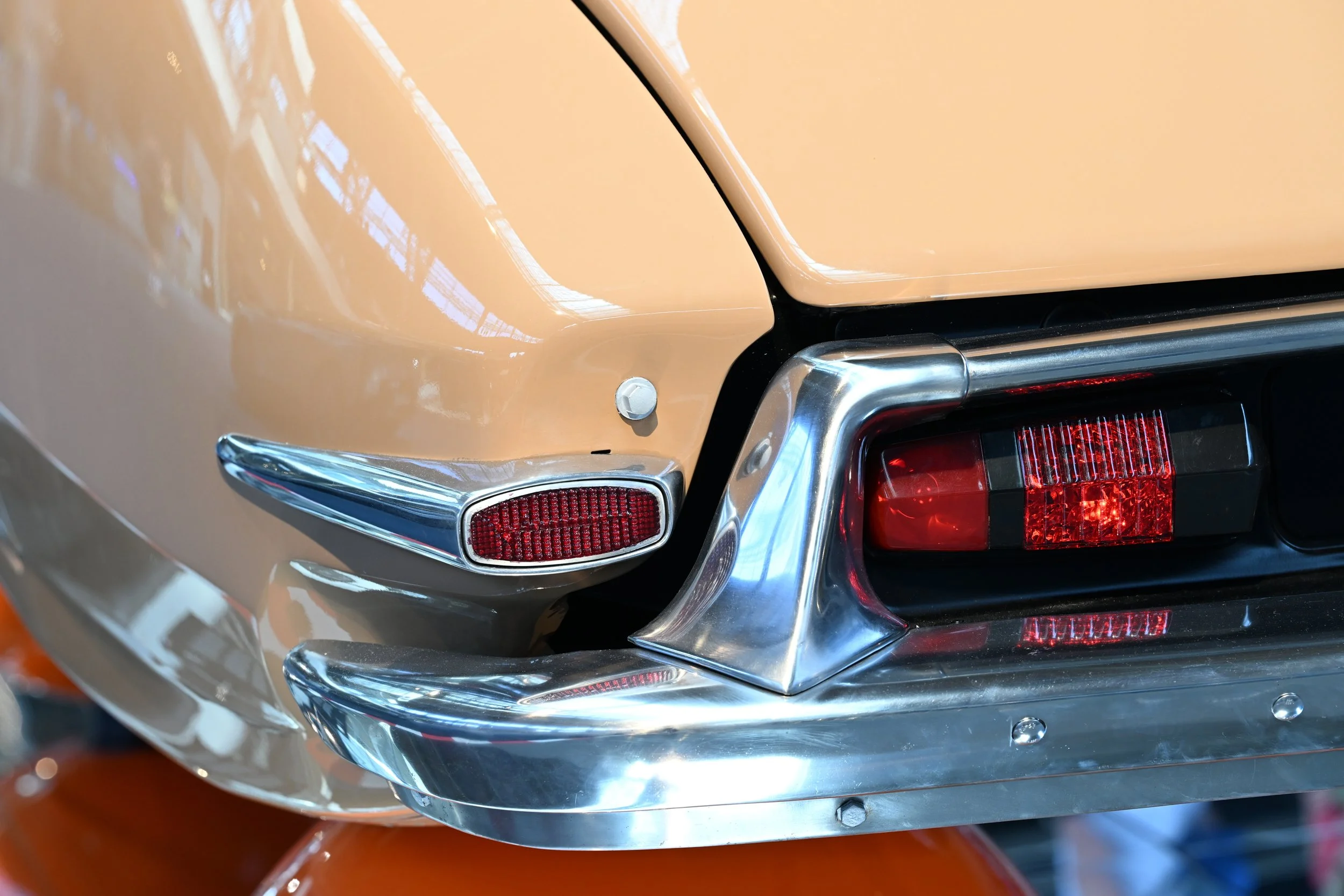
![Citroen DS first type rear wing and reflector]()
02 Citroen DS first type rear wing and reflector.
-
![Citroen DS second type front and auxiliary lights]()
03 Citroen DS second type front end with aftermarket auxiliary lights.
-
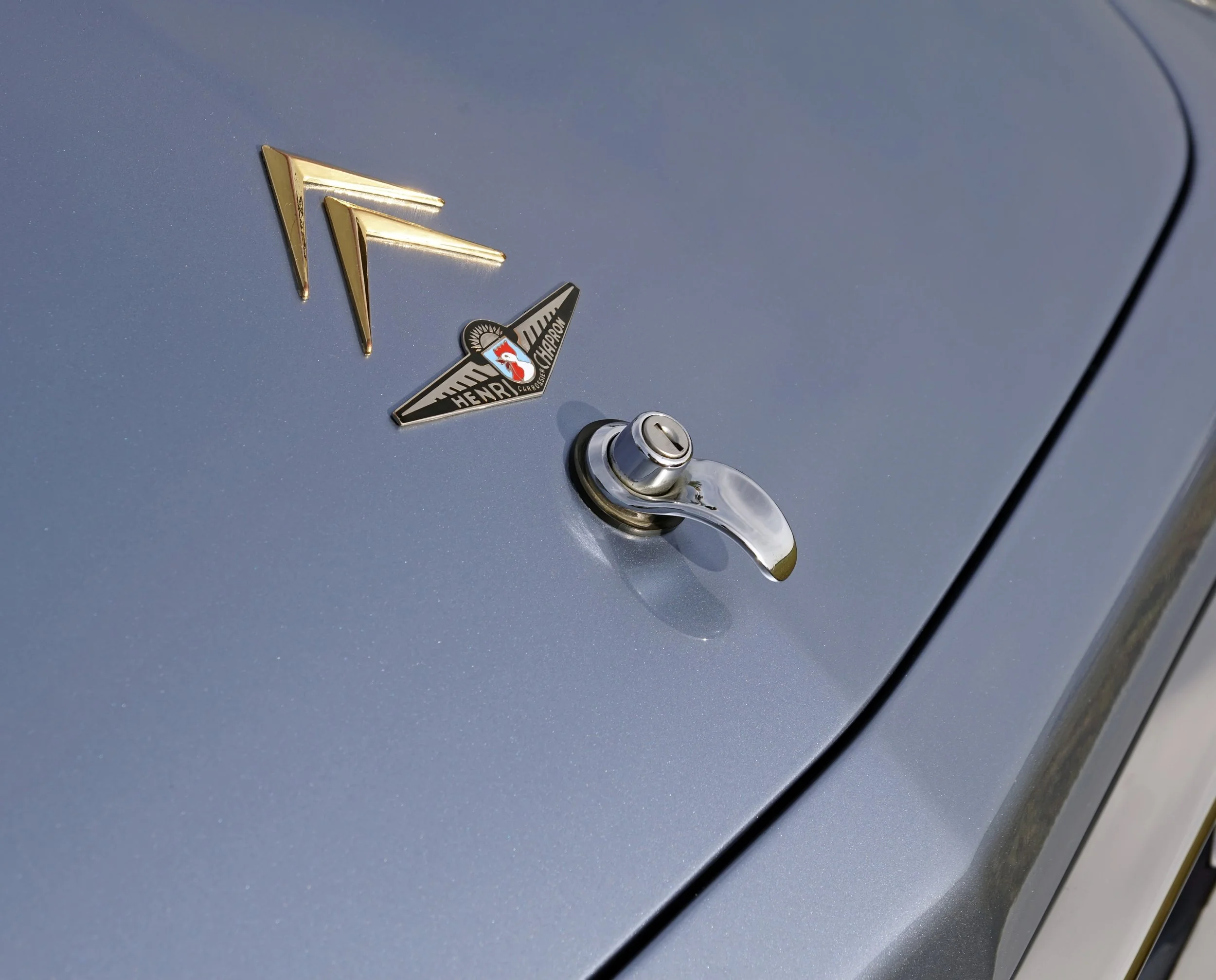
![Citroen DS Chapron Decapotable detail]()
04 Citroen DS Chapron Decapotable detail.
-
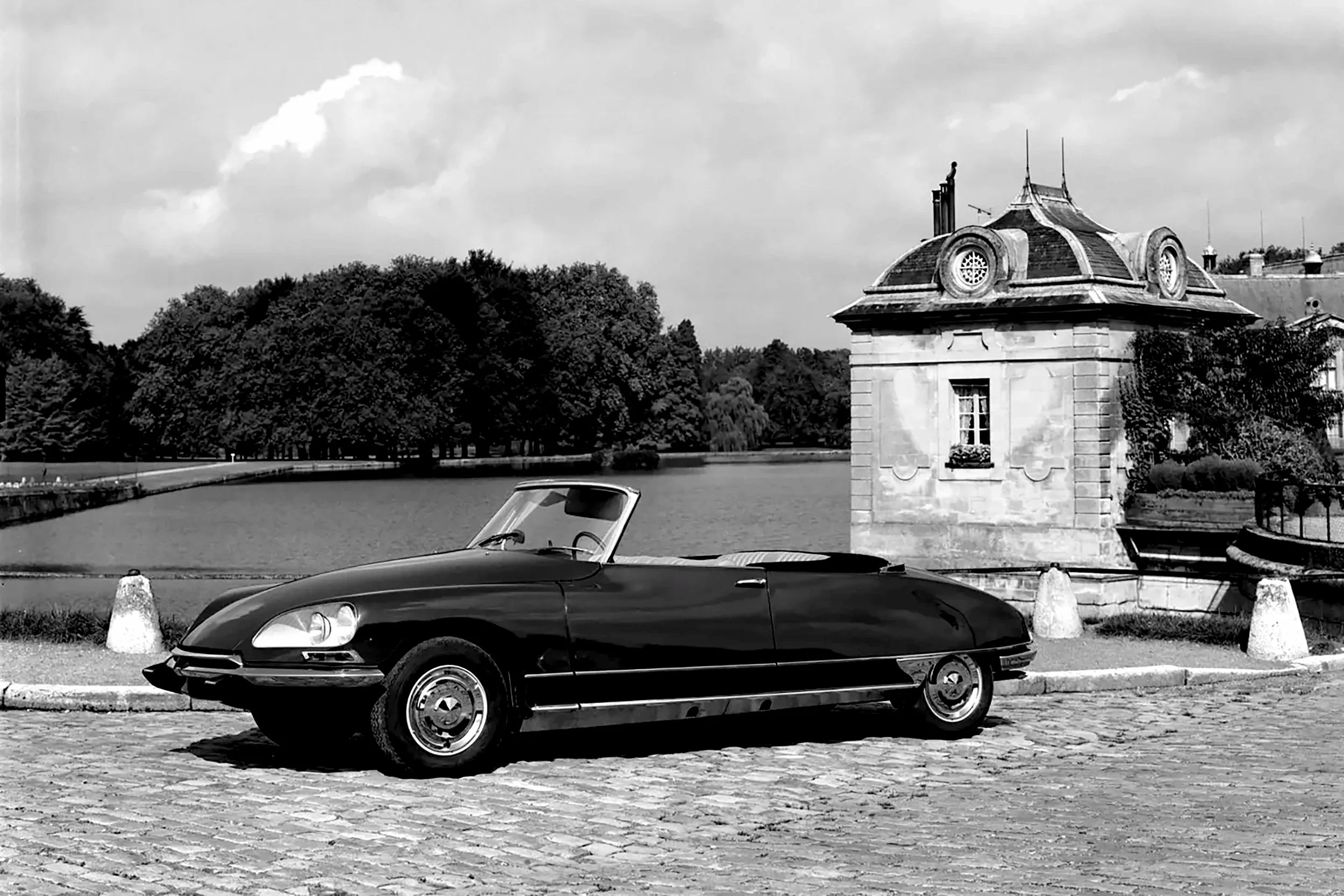
![Citroen DS Decapotable by Chapron.]()
05 Citroen DS Decapotable by Chapron.
-
![]()
06 A first series DS beside the Eiffel Tower.
-
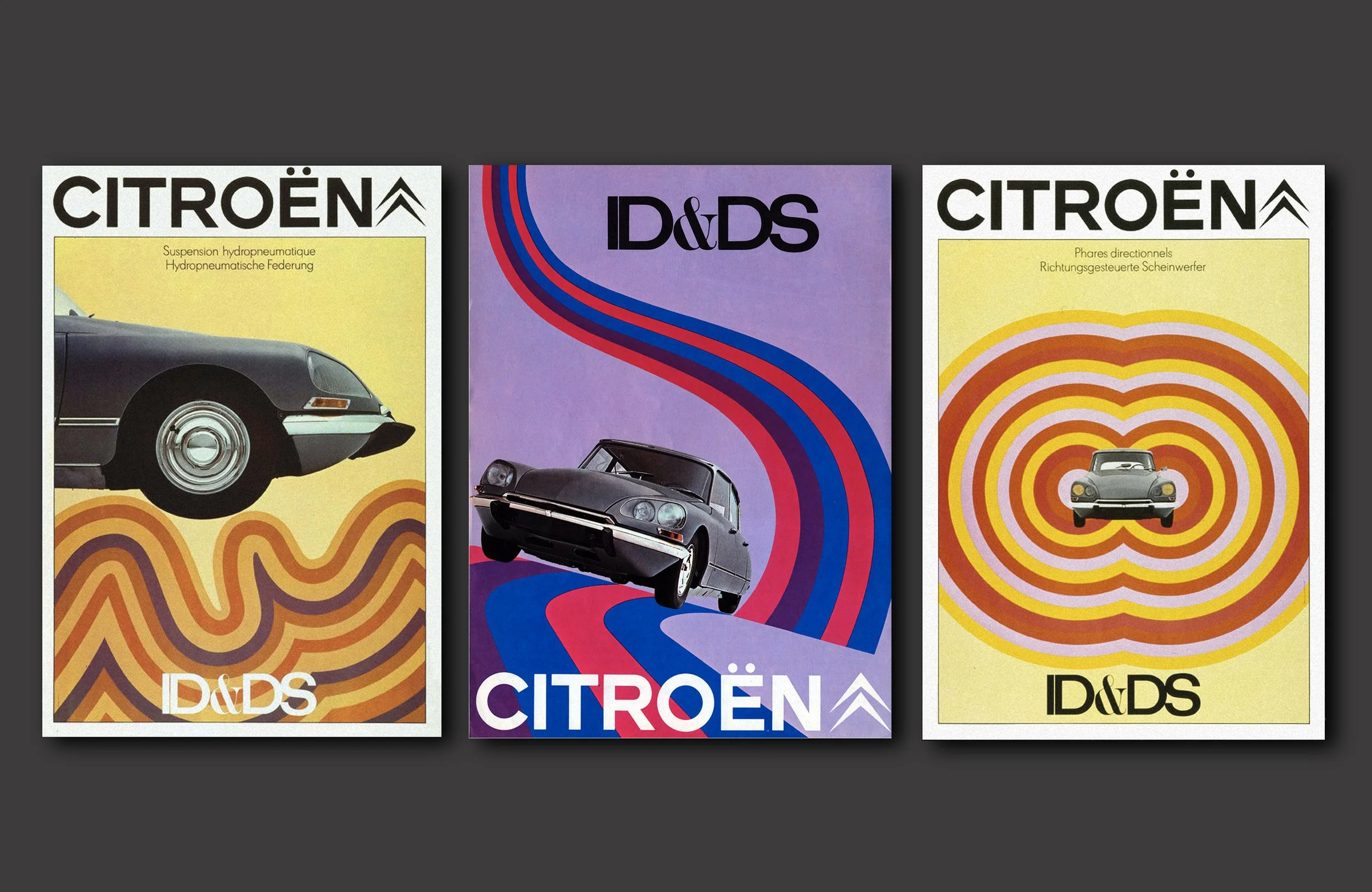
![Citroen DS & ID Advertising]()
07 Citroen DS & ID Advertising